
Fuel Your Body: Foods for Peak Male Health
Discover the science-backed superfoods that support vitality, energy, and overall wellness. Learn which nutrients your body needs and how to incorporate them into your daily routine.
The information on this site is for educational purposes only and does not constitute medical advice. Always consult a qualified healthcare professional before making health decisions.
Top Foods for Male Wellness
Explore nine powerful superfoods backed by nutritional science. Each offers unique benefits for energy, strength, and long-term vitality.
Oysters
Packed with zinc and selenium, oysters support cellular function and boost nutrient absorption. These shellfish are among nature's most nutrient-dense foods.
Dark Leafy Greens

Spinach, kale, and chard contain nitrates that support blood circulation. Rich in magnesium, they help with muscle function and energy production.
Tomatoes

High in lycopene and vitamin C, tomatoes support cardiovascular function and immune health. Cook them to enhance nutrient absorption.
Blueberries
Loaded with antioxidants that support cognitive function and overall cellular health. Versatile for smoothies, breakfast, or snacks.
Almonds

Rich in vitamin E, magnesium, and healthy fats. Almonds support heart health and provide sustained energy throughout the day.
Eggs
Complete proteins with choline for cognitive function. Eggs provide amino acids essential for muscle maintenance and repair.
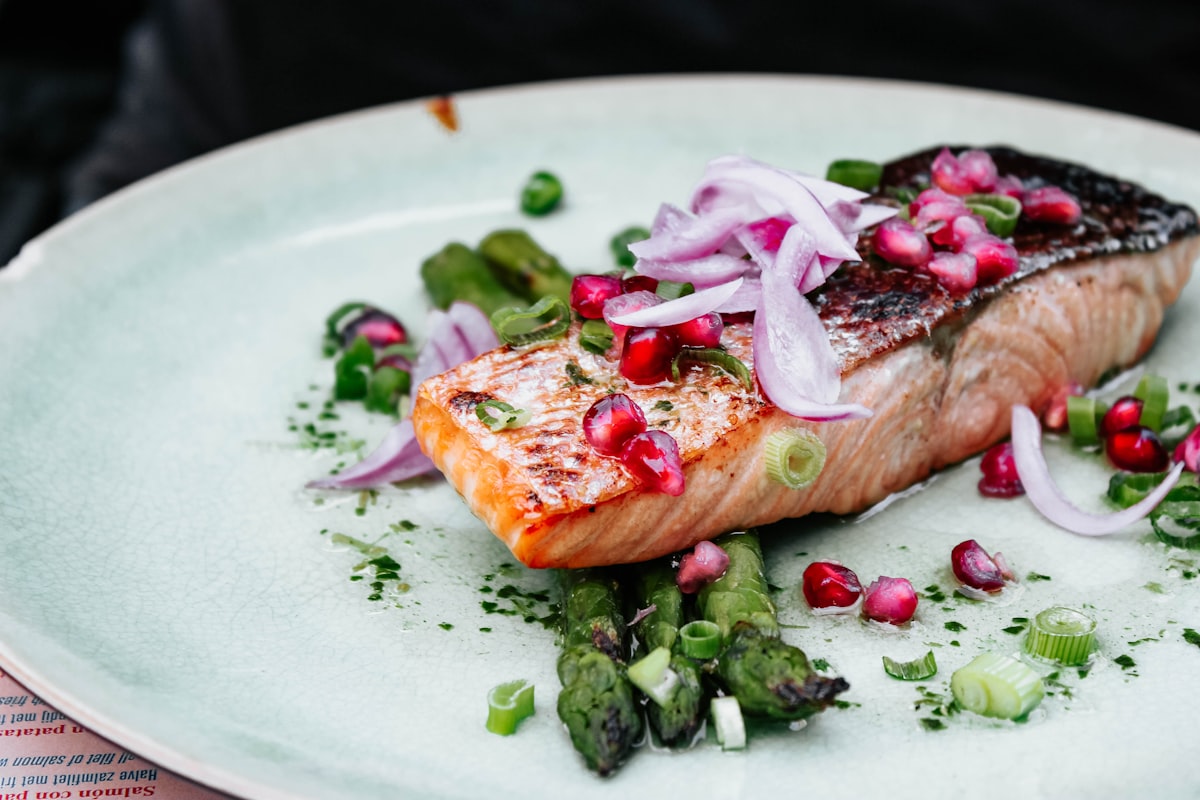
Salmon
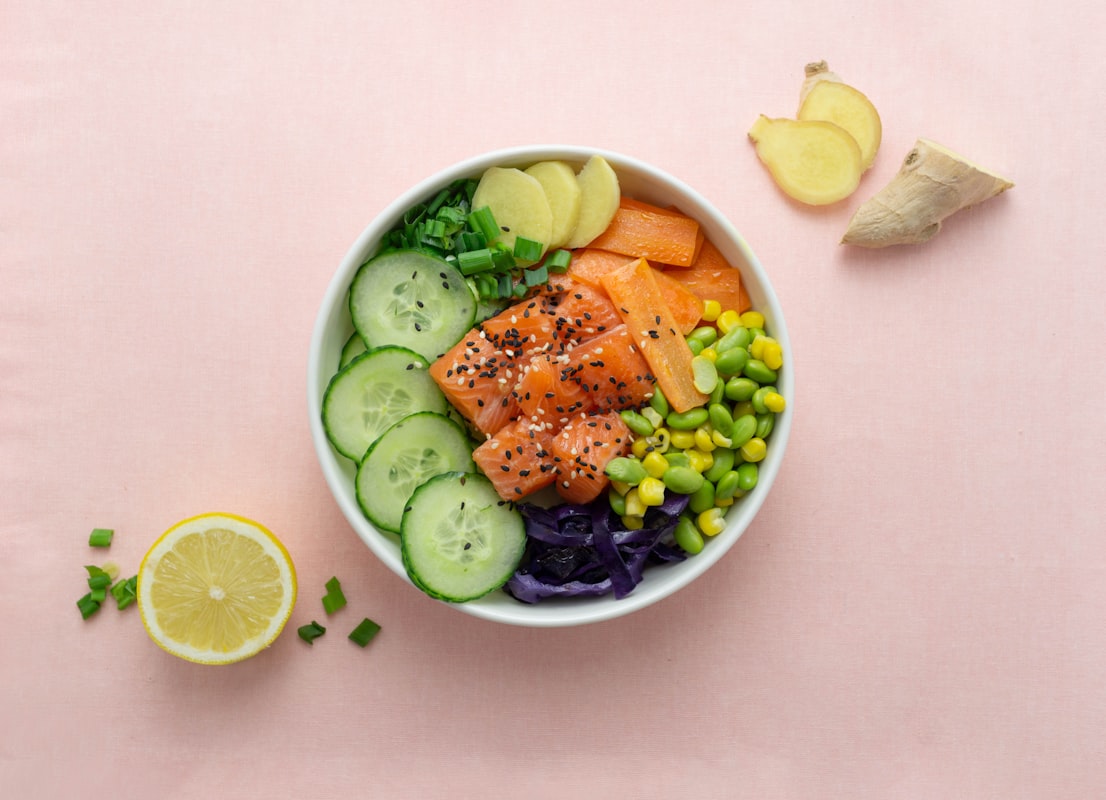
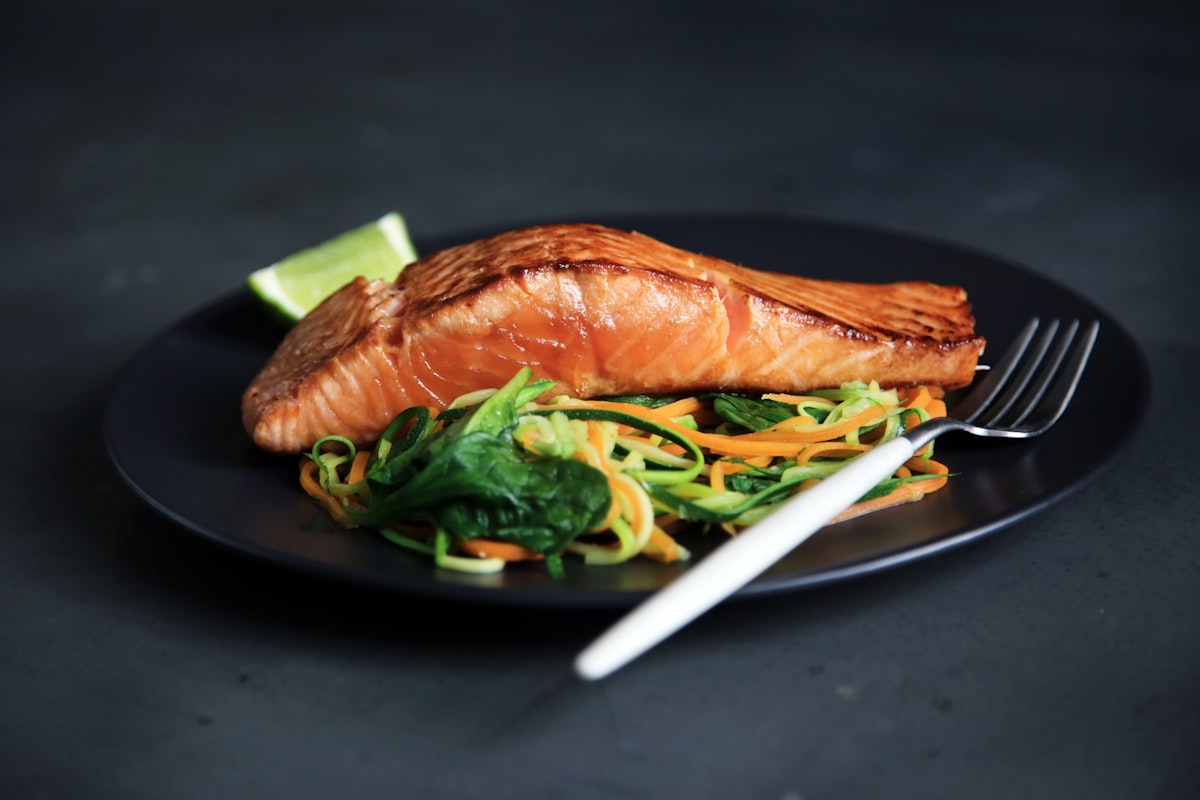
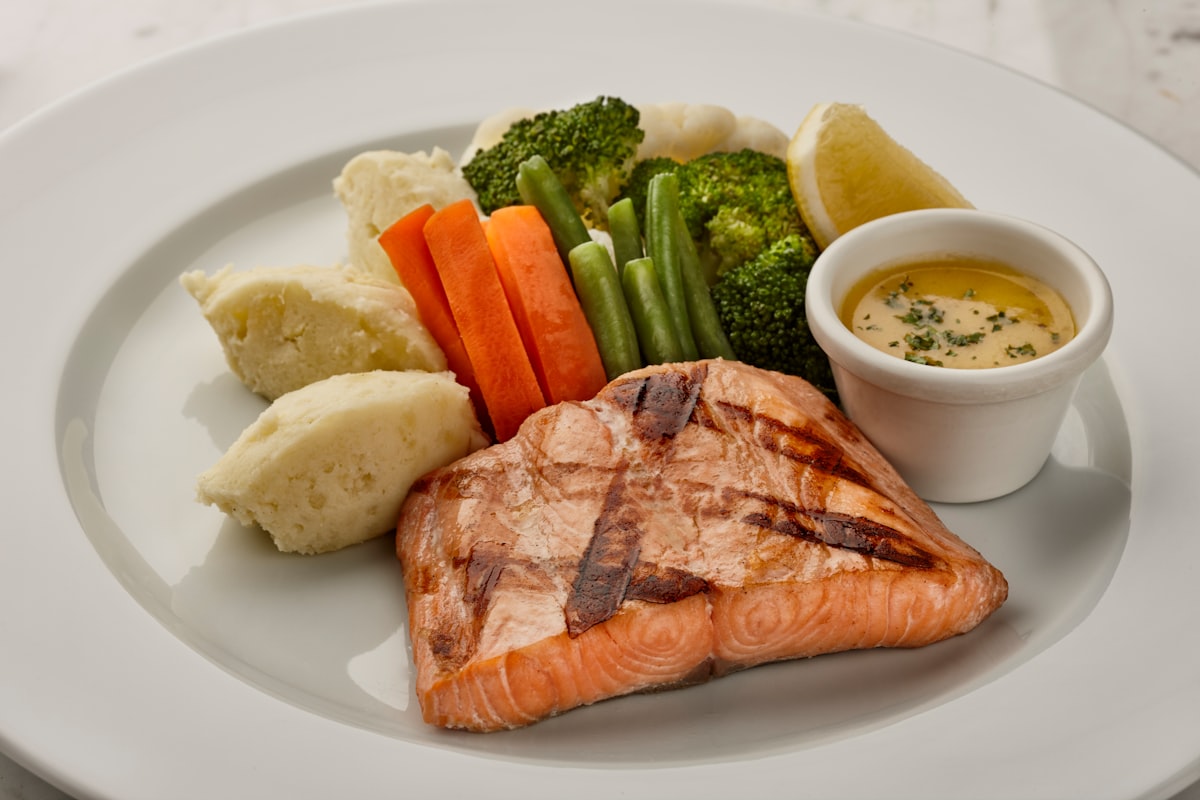
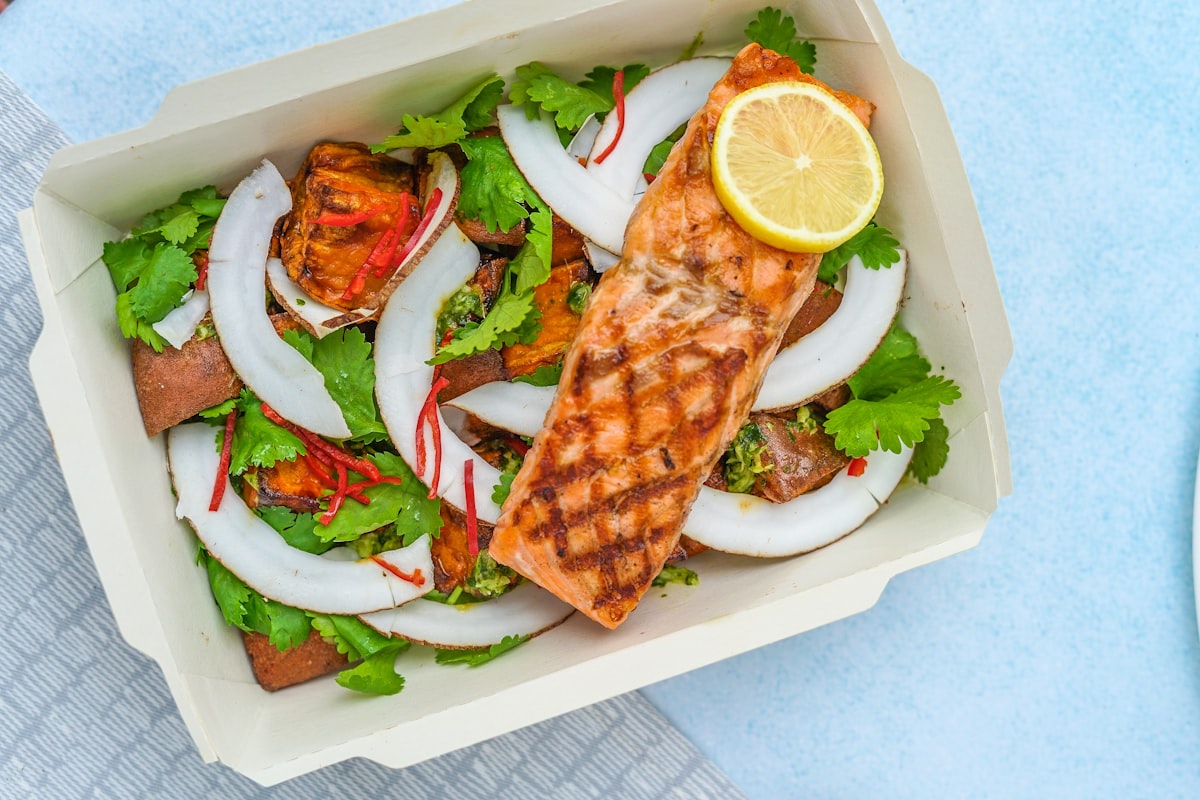
Excellent source of omega-3 fatty acids that support cardiovascular and brain health. Rich in protein for muscle strength and recovery.
Dark Chocolate

High in flavonoids and magnesium. Choose varieties with 70% cacao or higher for maximum antioxidant benefits and nutrient density.
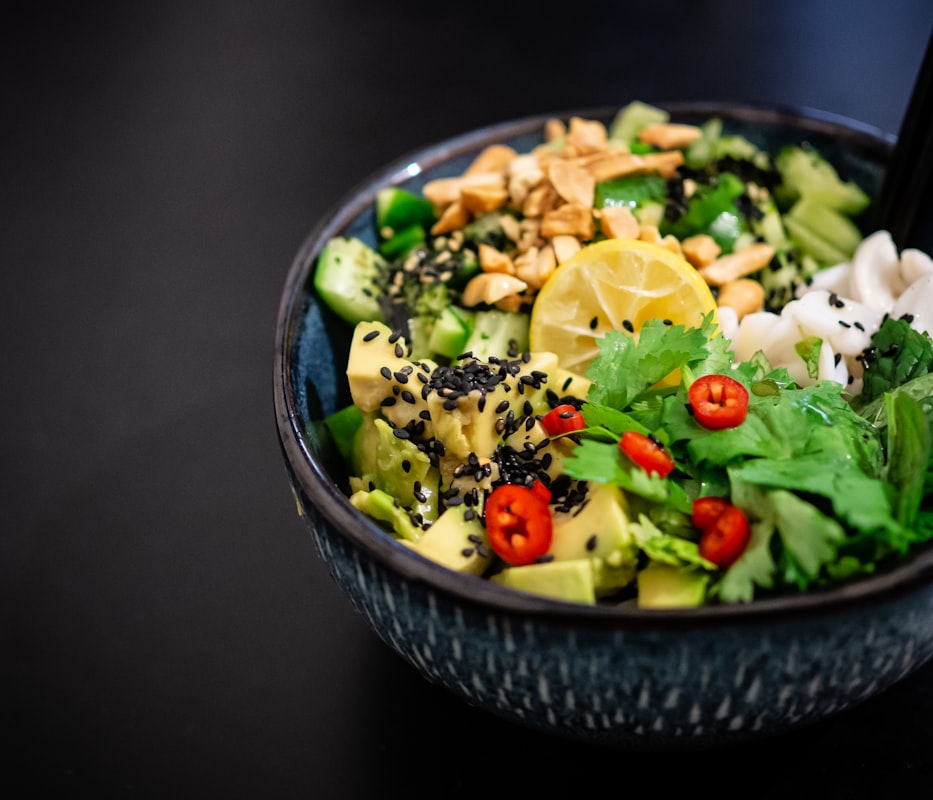
Whole Grains
Quinoa, oats, and brown rice provide sustained energy and fiber. Support digestive health and stable blood sugar levels throughout the day.
Why These Foods Matter
Understanding nutrition helps you make informed choices about your daily diet. Here's what research tells us about food and wellness.
Nutrient Absorption
Your body cannot function optimally without essential vitamins, minerals, and amino acids. Foods like oysters, salmon, and leafy greens provide concentrated doses of these nutrients. Understanding which foods pair well together—like combining tomatoes with healthy fats to absorb lycopene—helps maximize the benefits from every meal.
- Zinc supports immune function and nutrient metabolism
- Magnesium aids muscle relaxation and energy production
- Omega-3 fatty acids reduce inflammation systemically
Energy and Endurance
Sustainable energy comes from balanced nutrition, not stimulants. Whole grains provide steady glucose release, while protein-rich foods like eggs and salmon prevent energy crashes. Incorporating variety ensures your body receives the spectrum of nutrients needed for consistent stamina and mental clarity throughout the day.
- Complex carbs stabilize blood sugar for steady energy
- Protein preserves muscle and boosts satiety
- Antioxidants reduce oxidative stress and fatigue
Cognitive Function
Your brain relies on specific nutrients for optimal performance. Choline in eggs, anthocyanins in blueberries, and omega-3s in fatty fish all support memory, focus, and mental clarity. A diet rich in these foods helps maintain cognitive sharpness as you age and supports your ability to concentrate on demanding tasks.
- Choline supports neural pathways and memory formation
- Antioxidants protect brain cells from damage
- Vitamin E reduces cognitive decline over time
Strength and Recovery
Building and maintaining muscle requires adequate protein and supporting micronutrients. Salmon, eggs, and almonds provide the amino acids your body needs for muscle protein synthesis. Additionally, foods rich in magnesium and antioxidants aid recovery by reducing inflammation after physical activity.
- Complete proteins contain all nine amino acids
- Magnesium supports muscle relaxation and repair
- Antioxidants minimize recovery time after training
Understanding Male Nutrition
Learn how specific nutrients support the unique nutritional needs of men and practical ways to incorporate them into your routine.
Why Males Have Unique Nutritional Needs
Men typically have higher caloric requirements and different nutrient demands than women due to differences in metabolism and muscle mass. The foods highlighted in this guide are selected based on research showing their particular relevance to male vitality and function.
Zinc, for example, is essential for supporting various physiological processes in the male body. Oysters contain more zinc per serving than almost any other food. Magnesium, found abundantly in almonds and dark leafy greens, supports both muscle function and cardiovascular health—areas that become increasingly important as men age.
Omega-3 fatty acids in salmon reduce inflammation throughout the body and support brain health and cardiovascular function. These aren't just beneficial—they're foundational to long-term wellness. By choosing nutrient-dense foods consistently, you're investing in sustained energy, strength, and cognitive clarity.
Key Takeaway
The most effective approach is consistency. Rather than dramatic dietary shifts, small daily choices—adding a handful of almonds, including more salmon, switching to whole grains—compound into measurable improvements in how you feel and perform.
What Our Readers Say
Men across Indonesia have found these dietary insights helpful in making positive lifestyle choices. Read their real experiences.
"I've been reading the articles on Healthymaleroutepro for three months now, and the guidance about incorporating more oysters and salmon has genuinely changed how I feel. I have more sustained energy throughout my day, and I'm recovering better from my workouts. The information is clear, backed by real science, and easy to apply to my daily meals."
Rizki Hadi
Jakarta
"The deep dive into foods that improve male health was exactly what I needed. Instead of feeling like I'm guessing what to eat, I now understand the why behind each recommendation. The section on dark chocolate was surprising—I didn't realize quality dark chocolate could be part of a health-conscious diet. Practical and well-researched."
Bambang Dwi
Surabaya
"Finally, a resource that talks about male nutrition without all the hype and empty promises. Healthymaleroutepro focuses on actual science and practical implementation. I've been slowly swapping my regular bread for whole grains and adding more leafy greens. Small changes, but I genuinely feel stronger and more alert after just six weeks."
Aryo Wijaya
Bandung
"I appreciate the editorial approach here. No selling supplements or special products—just honest information about real food. The articles about oysters explaining the zinc content, and the science behind how magnesium supports muscle recovery, helped me understand what my body actually needs. I'm recommending this to my friends."
Indra Saputra
Medan
Frequently Asked Questions
Common questions about nutrition, food choices, and implementing dietary changes.
Six to twelve oysters per week is a reasonable target for most people seeking to benefit from their high zinc content. This works out to roughly one serving of oysters in one or two meals. Zinc absorption varies by individual and diet composition, so consistency matters more than hitting a specific number. If you don't have access to fresh oysters, canned oysters preserved in water work nearly as well and are a practical alternative year-round.
Pay attention to how you feel after incorporating oysters regularly—improved energy and better recovery from physical activity are signs you're getting adequate zinc. If seafood allergies are a concern, other zinc sources include pumpkin seeds, beef, and whole grains, though oysters remain the most concentrated option.
Get Our Free Nutrition Guide
Subscribe to our editorial updates and receive a practical guide to incorporating the nine superfoods into your weekly meals, including shopping lists and simple preparation tips.